
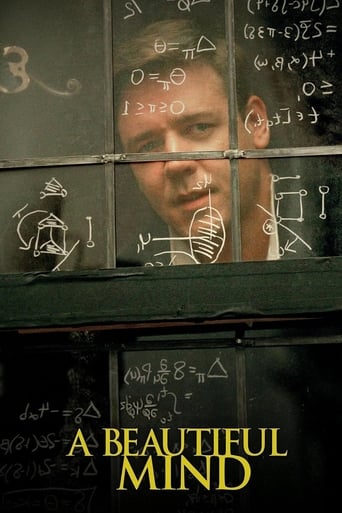
 135 minA Beautiful Mind2001★ 7.9
 Now showingA Beautiful Mind2001 · 135 min · ★ 7.9From the heights of notoriety to the depths of depravity, John Forbes Nash Jr. experiences it all. As a brilliant but socially awkward mathematician, he made a…
MoviesOnDemand
185 movies from 2000 to 2009 on a twelve-line menu, each with its cast, its rating and a Watch now button.
▲▼ browse the menu OK open a list
Top rated
All 36 ▸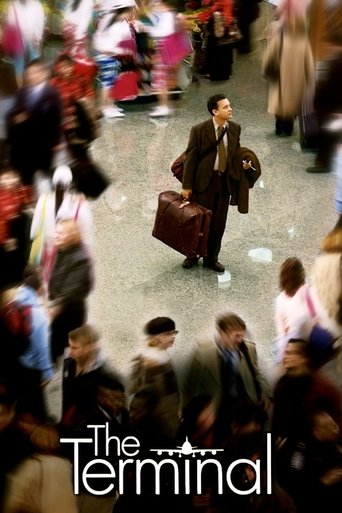 128 min
 102 min
 93 min
 136 min
 115 min
 80 min
2000 to 2003
All 52 ▸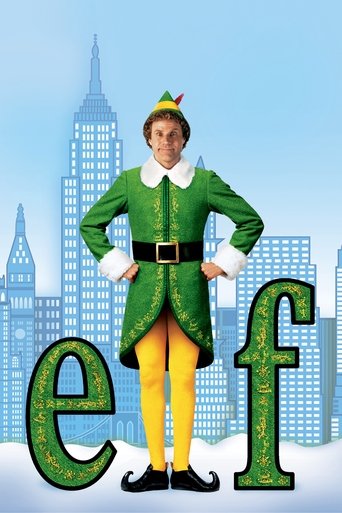 97 min
 98 min
 78 min
 132 min
 101 min
 95 min
 92 min
2004 to 2006
All 67 ▸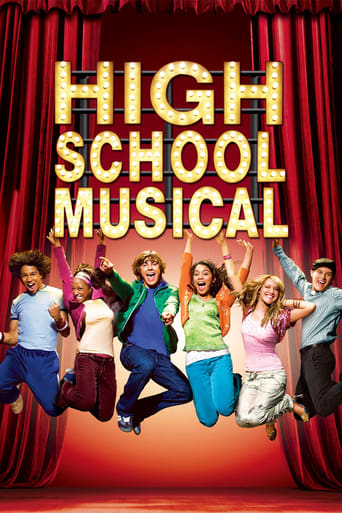 98 min
 113 min
 95 min
 86 min
 152 min
 94 min
 97 min
2007 to 2009
All 66 ▸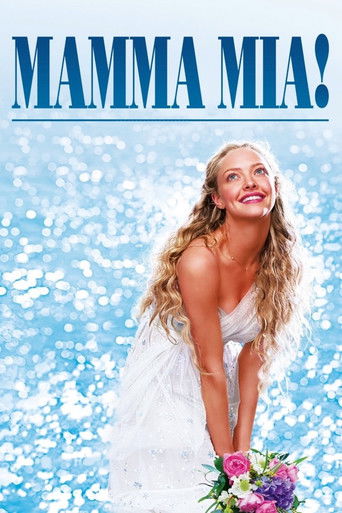 108 min
 102 min
 93 min
 113 min
 110 min
 111 min
 112 min
Family
All 75 ▸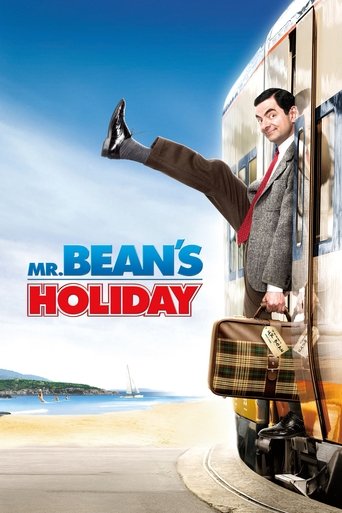 90 min
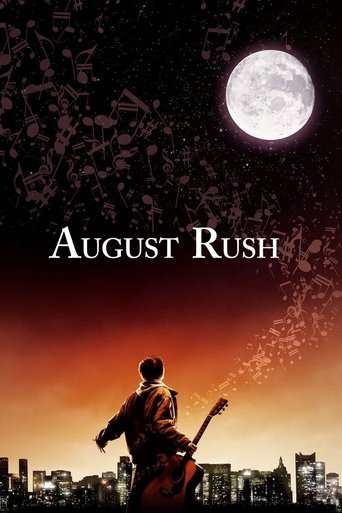 114 min
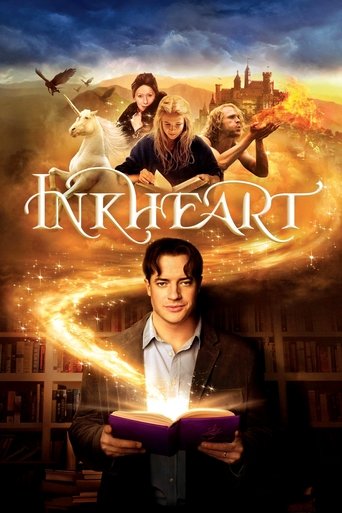 106 min
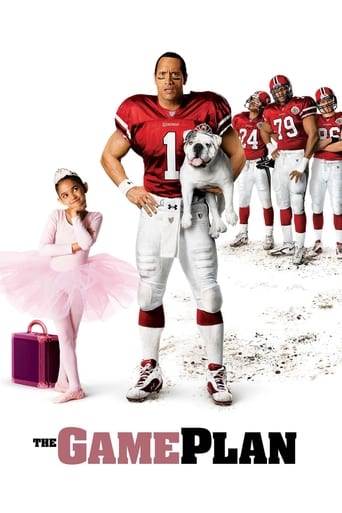 110 min
 94 min
 92 min
 99 min
True stories
All 24 ▸ 105 min
 105 min
 141 min
 109 min
 127 min
 117 min
 118 min
The MoviesOnDemand guide to the 2000s
MoviesOnDemand: movies of the 2000s, from A Beautiful Mind, Little Miss Sunshine and Elf to Mamma Mia!, The Holiday, Before Sunset and Seabiscuit
The phrase on demand entered ordinary speech in the first decade of this century. A cable box acquired a menu; a remote control acquired a button; and for the first time a household could choose a film from a list on the television and have it begin at once. The films on those first menus were the films of their day, and many have become the comfortable favourites of the generation that grew up pressing that button. MoviesOnDemand is a guide to them, laid out like the menu itself.
The catalogue holds 185 movies released from 2000 to 2009, the work of 170 directors and about 317 hours of viewing. Fifty-two date from the first four years of the decade, sixty-seven from the middle three and sixty-six from the last three. Every title was screened by hand for a family audience, so the menu is rich in comedy, romance, family adventure, sport and true stories.
This guide reads down the menu line by line, names the movies to open first and explains how the site works. The quick version is in How to watch with MoviesOnDemand.
How MoviesOnDemand works
The home page imitates a set-top menu on a deep blue screen. At the left, a numbered list of twelve lines names the main categories, each with its count, and the first line is highlighted in cyan as though a cursor were resting on it. At the right, a large still shows a featured movie under an orange label reading Now showing, with its year, running time, score and a few lines of summary. Below the still a panel carries the heading and a row of key hints, a small tribute to the remote control.
Under the menu run six rows of posters, seven across: the top rated, three groups of years, family and true stories. Each poster shows its running time in the corner, and beneath the title a line gives the year and a star score. A movie page gives the year, the length, the rating, the genres, the leading cast, the director and a summary. Beside the Watch now button is a country selector; choose a country, press the button, and the movie opens on JustWatch, which lists the subscription, rental, purchase and free services that carry it there. MoviesOnDemand is a guide, and the watching happens on those official services.
Four routes lead to a movie, as Finding a movie explains: the menu, the search field, the lists page and the alphabetical index. The list feature is called My Queue, after the lists that early on-demand services kept for their subscribers; it lives in the browser on the device in use, and the My Queue page shows how to fill it and how to save it as a file.
Comedy
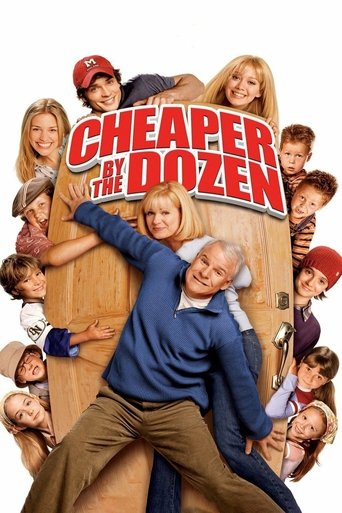
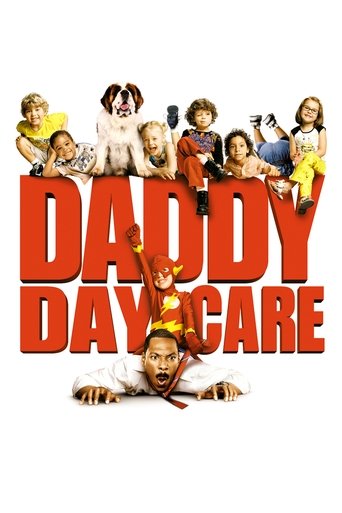
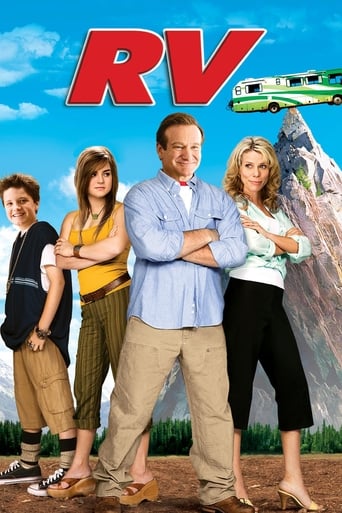
The longest line on the menu is comedy, with 119 movies, and the comedy guide begins with the family in uproar, the decade's favourite subject. Cheaper by the Dozen gives Steve Martin and Bonnie Hunt twelve children, a new house and a week in which she must leave him in sole charge; its sequel sends the whole tribe to a lake. Daddy Day Care turns two laid-off executives into childminders. RV straps Robin Williams and his reluctant family into a rented motorhome bound for Colorado, and Are We Done Yet? hands a city family a country house that needs everything replaced.
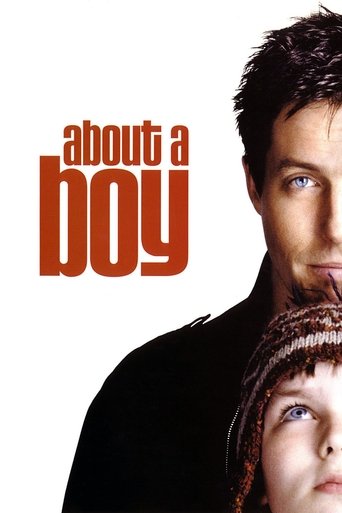
The best comedies of the decade had more on their minds. Little Miss Sunshine, rated 7.7, loads a quarrelsome family into a yellow van with a failing clutch and drives it eight hundred miles so that seven-year-old Olive can enter a children's pageant. On the way a silent teenager, a scholar at a low ebb, an outspoken grandfather and two exhausted parents discover that they are a family after all, and the final dance on stage is one of the great comic releases of its time. About a Boy lets a schoolboy with a difficult home life adopt a bachelor who has organised his existence around avoiding responsibility. Secondhand Lions leaves a shy boy for a summer with two eccentric great-uncles in Texas who may have had an extraordinary past.
Elf is the decade's comic gift to December. Will Ferrell plays Buddy, a human raised among Santa's helpers who learns the truth about his origins at thirty and walks to New York to find his father. His innocence in a city of cynics, his diet of syrup and his joy at a revolving door have made the film a yearly ritual in millions of homes. The Kid sends a sharp-suited consultant a visitor, himself at eight, who is unimpressed by what he has become.
The mock documentary reached a peak with Best in Show, in which five sets of owners bring their dogs to a great show in Philadelphia. The cast improvised most of their lines, the commentary box is manned by a man who knows very little about dogs, and the film is funnier each time it is seen. Robert Altman's last film, A Prairie Home Companion, spends one evening backstage at a radio variety programme on what may be its final broadcast.
There is plenty more for an easy evening: Rat Race, in which a casino owner sets six groups of strangers racing across the desert for a bag of money; The Replacements, about stand-in footballers given three games of glory; Kicking & Screaming, with Will Ferrell as a mild father turned ferocious youth coach; Orange County, about a surfer who wants to be a writer; and the British time-travel comedy Frequently Asked Questions About Time Travel, which takes place largely in a pub.
Drama
One hundred movies are dramas, and the drama guide starts with the best picture of 2001. A Beautiful Mind, directed by Ron Howard, follows the mathematician John Nash from his arrival at Princeton as a brilliant, awkward student, through years in which his own perceptions deceive him, to a late honour in Stockholm. Russell Crowe plays him across five decades, Jennifer Connelly won an Academy Award as his wife, and the film is rated 7.9. I Am Sam gives Sean Penn the role of a father with an intellectual disability who must persuade a court that love is qualification enough, with a very young Dakota Fanning as his daughter.
A second group of dramas is about people in transit. The Terminal, directed by Steven Spielberg, strands a traveller from a small eastern country in a New York airport when his passport becomes invalid in mid-flight; he makes a home at an unused gate, learns English from guidebooks and is adopted by the staff. Up in the Air follows a consultant, played by George Clooney, who lives contentedly in aeroplanes and hotel lounges until a young colleague and a fellow traveller unsettle him. Away We Go sends an expectant couple around North America in search of the right place to raise a child.
The decade's quiet films reward patience. Away from Her, the first feature directed by Sarah Polley, is the story of a long marriage tested when the wife's memory begins to fail, with a luminous performance by Julie Christie. Wendy and Lucy is eighty minutes in the company of a young woman, her dog and a broken-down car in a small Oregon town. Dear Frankie, from Scotland, concerns a mother who has written letters to her son for years in the name of an absent father at sea and must now produce the man. Inside I'm Dancing follows two young Irishmen determined to leave a care home and rent a flat of their own.
Other dramas of note are Pay It Forward, in which a schoolboy's assignment to improve the world takes on a life of its own; The Majestic, the longest film on the menu at 153 minutes, in which a Hollywood writer of 1951 loses his memory and is welcomed by a small town as a missing son; Jersey Girl, about a widowed father starting again in his home town; and Adam, a tender romance between a schoolteacher and an astronomy enthusiast who sees the world in his own way.
Romance
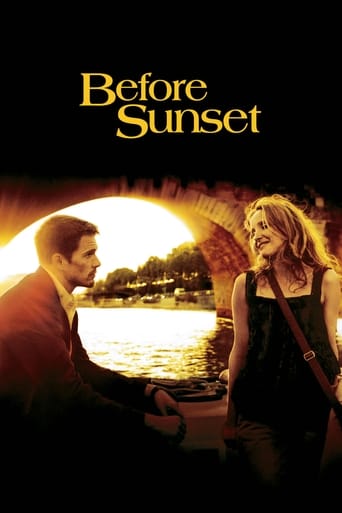
Sixty-six movies are love stories, and the romance guide opens in Paris. Before Sunset, rated 7.8, reunites two people who spent one night walking around Vienna nine years earlier and promised to meet again. He is now a novelist on a book tour with a flight to catch; she arrives at the back of the shop. The film follows them in real time for eighty minutes through streets, a café, a river boat and a courtyard, and ends on one of the most perfectly judged closing lines in cinema.
New York is the decade's other capital of romance. In Serendipity, two strangers reach for the same pair of gloves in a department store, spend an enchanted evening and decide to let chance bring them together again, with the help of a banknote and a second-hand book. Maid in Manhattan has a hotel maid mistaken for a guest by a candidate for the Senate. Kate & Leopold delivers a duke of 1876 to a modern apartment by way of a gap in time, and Little Manhattan watches a boy of ten fall in love for the first time on the Upper West Side.
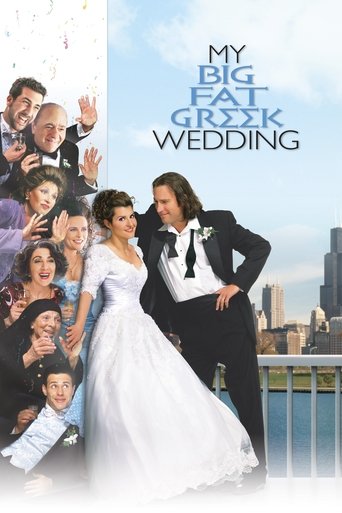
Weddings were big business on screen. My Big Fat Greek Wedding, written by its star from her own one-woman show and made for very little, became one of the most profitable films ever released; its portrait of a loud, loving family who believe that a household cleaner cures everything is affectionate to the last frame. The Wedding Planner, 27 Dresses, Bride Wars, The Wedding Date and Sweet Home Alabama, in which a New York designer must go home to the South to tidy up her past, complete the set.
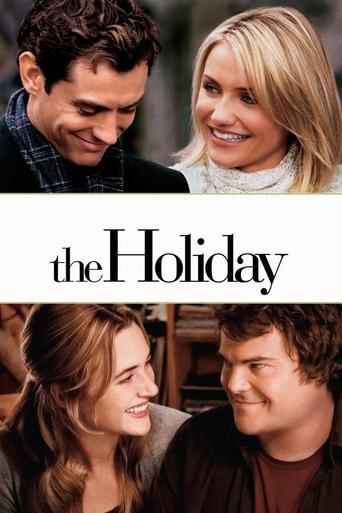
The decade was unusually generous to love later in life. Last Chance Harvey brings together a composer of jingles, in London for his daughter's wedding, and an airport survey-taker, played by Dustin Hoffman and Emma Thompson with great warmth. Must Love Dogs sends a teacher back into courtship at the insistence of her sisters. The Holiday gives its two heroines new homes for a fortnight and one of them a neighbour in his nineties, a retired screenwriter, who steals the film.
Lighter choices include Music and Lyrics, with a faded pop star and a gifted amateur writing a song in a week; Wimbledon, in which a fading player meets a rising one during the championships; Just Friends, Failure to Launch, The Prince & Me, Chasing Liberty and First Daughter, the last two both about a president's daughter who slips her guard.
Family
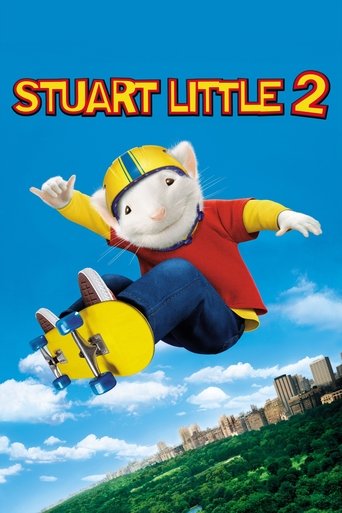
Seventy-five movies suit all ages, and the family guide begins with the animals who talk. Charlotte's Web brings a beloved children's novel to the screen with a real barn, a real piglet and a spider voiced by Julia Roberts, and keeps the book's gentle honesty about friendship and time. Stuart Little 2, the shortest film on the menu at seventy-eight minutes, gives its mouse a friend with wings and a rescue to perform. Racing Stripes is about a zebra who believes he is a racehorse, and Garfield: A Tail of Two Kitties sends a lazy cat to an English castle.
Adventure for the family came in several sizes. The Golden Compass follows a girl and an armoured bear into the frozen north. Inkheart concerns a father who can read characters out of books, Journey to the Center of the Earth a professor, his nephew and a guide who drop through a volcano, and The Last Mimzy two children who find a box of toys from the future. The Adventures of Sharkboy and Lavagirl and Shorts come from a director who made films with his own children, and MirrorMask is a dreamlike fantasy designed by a celebrated illustrator.
Several of the best family films of the decade began as novels. Because of Winn-Dixie gives a lonely girl in a Florida town a stray dog named after a supermarket and, through him, a circle of friends. Tuck Everlasting asks whether living for ever would be a blessing. Five Children and It finds a wish-granting creature at the bottom of a garden, Nicholas Nickleby condenses a great Victorian novel into two lively hours, and Ballet Shoes follows three adopted sisters in the London of the 1930s to the stage.
Comedy for younger viewers includes The Game Plan, Snow Dogs, in which a Miami dentist inherits a team of sled dogs, Like Mike, Unaccompanied Minors, about children stranded in an airport on Christmas Eve, and the many television films made for the children's channels, bright stories of minutes saved, diaries read aloud and suburbs enlivened.
Sport
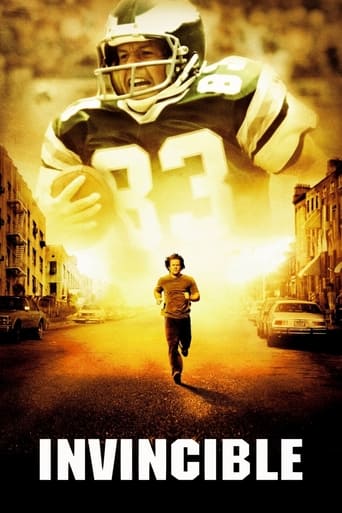
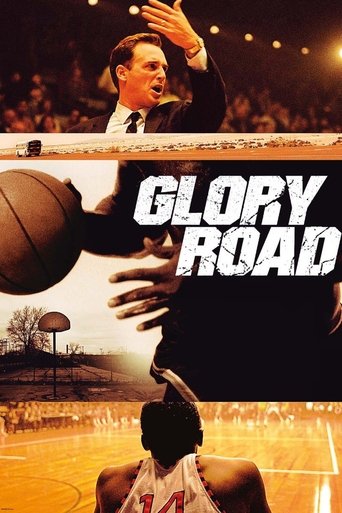
Twenty-seven movies are about games, and the sport guide notes how many are true. Miracle recreates the winter of 1980, when a coach named Herb Brooks, played by Kurt Russell, drilled a squad of American college ice hockey players until they could face the finest team in the world. Glory Road tells of the Texas college that won a national basketball title in 1966 with five Black starters. We Are Marshall shows a university town rebuilding its football programme after a tragedy, and The Express honours a running back who broke a barrier. Invincible is the story of a part-time barman of thirty who walked into an open trial and made a professional team.
Seabiscuit is the grandest of them. In the 1930s a small, knock-kneed racehorse, a half-blind jockey, a silent trainer and an owner who had made his money in motor cars combined to win race after race and give a hard decade something to cheer. The film was nominated for seven Academy Awards and moves with the unhurried confidence of a good book. Dreamer: Inspired By a True Story tells a smaller tale of an injured filly, a trainer and his daughter.
Football as the rest of the world plays it appears in Goal!, which follows a young man from Los Angeles to a trial at a club in the north of England, and its sequel; in The Damned United, a portrait of a brilliant manager's forty-four days at a club that resented him; and in There's Only One Jimmy Grimble, about a Manchester schoolboy and a pair of old boots. The Greatest Game Ever Played returns to the golf championship of 1913, and The Perfect Game to a Mexican team of boys in 1957.
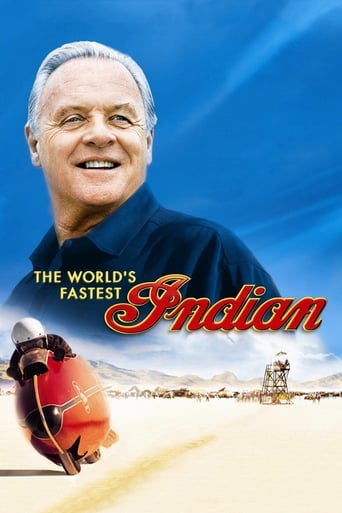
The decade also broadened what a sports film could be. Whip It, directed by Drew Barrymore, finds a Texas teenager her tribe on a roller-derby track. Stick It takes a rebel back to the gymnastics floor, Blue Crush to the great waves of Hawaii, Ice Princess from the physics laboratory to the rink, and The World's Fastest Indian across the Pacific with a pensioner and a home-built motorcycle. Wimbledon and The Replacements add romance and comedy.
Music and dance
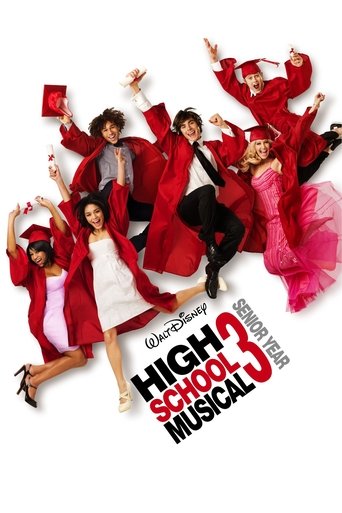
Twenty-one movies sing, play or dance, and the music guide starts with the two phenomena. Mamma Mia! set the songs of a Swedish pop group on a Greek island, cast actors who sang with more enthusiasm than polish, and became one of the most successful musicals ever filmed; it is a film to be watched in company, with the windows open. High School Musical, made for television in 2006, caught a generation exactly, and its two sequels, the third released in cinemas, followed its cast to graduation. The director Kenny Ortega made all three, together with a film for The Cheetah Girls 2.
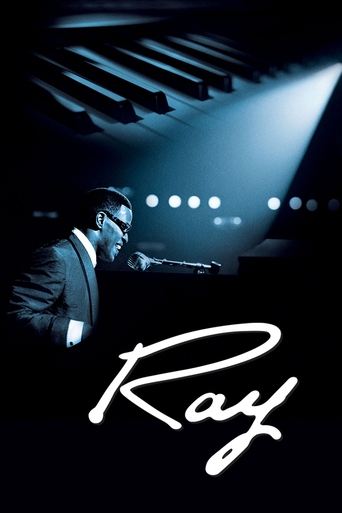
Musicians are the subject of Ray, which won Jamie Foxx an Academy Award for his portrait of a blind pianist who fused gospel and blues; The Soloist, about a newspaper columnist and a gifted street musician; and August Rush, a fable about a boy who believes that if he plays, his parents will hear him. The Rocker gives a drummer a second chance twenty years late, with his nephew's school band.
Dance fills the rest. Take the Lead is drawn from the work of a ballroom teacher who volunteered in a New York school. Center Stage follows a class through a year at a ballet academy, Drumline a talented snare drummer through his first season in a university marching band, and Bride & Prejudice transplants a famous English novel to India with songs and dances in the Bollywood manner.
True stories
Twenty-four movies are drawn from real lives, and the true stories guide groups them. Science and medicine supply three of the highest-rated titles on the menu. Something the Lord Made, at 8.0, is the story of a surgeon and a laboratory technician who together devised an operation that saved thousands of infants. Gifted Hands: The Ben Carson Story, at 7.8, follows a boy from Detroit, raised by a mother who insisted on library books, to the head of a hospital department. The mathematician of Princeton completes the group.
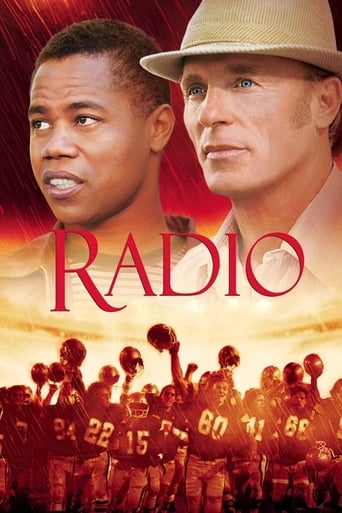
Teachers and mentors appear in Front of the Class, rated 8.0, about a man with Tourette syndrome who would accept any number of refusals in order to teach, and in Radio, about a football coach and the young man he befriends. Dreamers of other kinds include the New Zealander with his motorcycle, the Australian technicians of The Dish, who relayed pictures from the Moon in 1969, and the professor of Flash of Genius, who invented a new kind of windscreen wiper and spent years seeking acknowledgement.
The arts are represented by Miss Potter, about the creator of a famous rabbit, by Modigliani, and by Me and Orson Welles, in which a schoolboy talks his way into a legendary stage production of 1937. Amelia follows a pioneering pilot, and The Young Victoria a queen of eighteen.
Christmas
Twelve movies belong to December, and the Christmas guide sorts them by address. The North Pole is the setting of the elf's childhood, of The Santa Clause 2 and The Santa Clause 3: The Escape Clause, in which a toy salesman turned Santa must find a wife and then defend his job, and of Fred Claus, about the older brother who was left out of the legend.
Family gatherings supply the comedy of The Family Stone, where a nervous guest meets her future in-laws, of Four Christmases, where a couple must visit all four of their divorced parents in one day, and of Christmas with the Kranks and Deck the Halls. Nativity! is a British favourite about a primary-school teacher who rashly promises that Hollywood is coming to see the school play, and The Holiday and Just Friends add romance in the snow.
Teen
Twenty-five movies are about being young, and the teen guide identifies the decade's favourite plot: the fairy tale in modern dress. A Cinderella Story moves the tale to a California diner and replaces the slipper with a mobile telephone. What a Girl Wants sends an American teenager to London to meet the aristocratic father who has yet to learn she exists. The Prince & Me, Ice Princess and The Perfect Man play variations.
Friendship is the real subject of The Sisterhood of the Traveling Pants and its sequel, in which four friends spending their first summer apart share a pair of jeans that fits each of them, and of Sleepover. The Lizzie McGuire Movie takes a television heroine to Rome, and Post Grad, Picture This and Read It and Weep cover the years just before and after school ends.
British and Irish films
A good share of the menu comes from Britain and Ireland, and the decade was a strong one for both. Mike Leigh's Happy-Go-Lucky follows Poppy, a London primary-school teacher whose good cheer survives a stolen bicycle, a bad back and a furious driving instructor; Sally Hawkins makes optimism look like a form of courage. Nativity! and the schoolboy footballer from Manchester represent the family comedy, and the pub-bound time travellers the eccentric one.
Football supplies drama as well as fantasy. The portrait of a manager's brief reign at a great Yorkshire club is as much about friendship as about the game, and its star gives one of the performances of the decade. From Scotland comes the story of the letters from an invented father, and from Ireland the two friends in search of a flat of their own. The costume films, with their Austen heroines, their Romantic poet and their children's author in the Lake District, are nearly all British productions.
American films visited constantly. A house in Surrey is exchanged for one in Los Angeles; a teenager from New York discovers a father in the House of Lords; a tennis romance unfolds at the All England Club; and two children's-channel films send their heroines to Rome and to London. The traffic went both ways, and British actors appear throughout the American comedies as fathers, butlers and unexpected princes.
Films made for television
Fifteen titles on the menu were made for television, and they include some of its best. The medical drama rated 8.0, the story of the surgeon from Detroit and the portrait of the teacher with Tourette syndrome were all first shown on the small screen, as were both Austen adaptations and the tale of the three sisters at stage school. They show how seriously television had begun to take the single film.
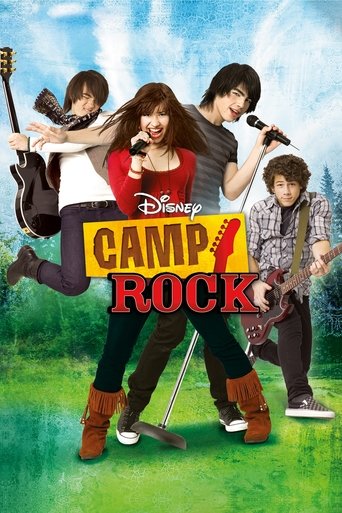
The children's cable channels were prolific in these years, producing a new film almost every month. Besides the school musical and its sequels, the menu holds the three adventures of The Cheetah Girls, a girl group that travels from New York to Barcelona and India; Camp Rock, set at a summer music camp; Minutemen, about schoolboys with a time machine; Cow Belles, in which two indulged sisters must run the family dairy; and Read It and Weep, Stuck in the Suburbs and Picture This. They are cheerful, quick and still much requested by the generation that first watched them.
Adventure for television is represented by The Librarian: Quest for the Spear, in which a perpetual student lands a job guarding the world's most remarkable collection, and by a sequel to a much-loved dragon fantasy.
The world of work
Work is a quiet theme of the decade's comedies. In Good Company gives a veteran advertising salesman a new boss half his age and lets respect grow between them. The Nanny Diaries places a graduate in an apartment on the Upper East Side as nanny to a small boy and anthropologist of his parents. View from the Top follows a small-town girl into the uniform of an international airline, and Life or Something Like It a television reporter who is told she has a week to rethink her priorities.
Julie & Julia tells two stories of work chosen for love: a diplomat's wife learning to cook in the Paris of 1949, and a New York office worker who decides, fifty years later, to prepare every recipe in her famous book within a year and write about it. Barbershop spends a single day in a Chicago shop whose owner is tempted to sell, and Hollywood Ending is a comedy about a film director with a very particular problem on set. Even the Christmas films are about jobs, since two of them concern the difficulties of being Santa.
Places on the menu
The settings of these films map the decade's daydreams. New York is the home of romance and of the elf's adventure. Paris appears twice, on foot and in a kitchen. Rome, London and Barcelona welcome young travellers, and a Greek island welcomes everyone. The American small town is the place where city people rediscover themselves, in Alabama, in Texas, in Florida and in a seaside village in North Carolina.
Elsewhere the menu reaches Alaska by dog sled in a comedy, the salt flats of Utah on a motorcycle, a radio telescope in an Australian sheep paddock, a ramen shop in Tokyo where an American learns the craft in The Ramen Girl, and the ruins of Greece with a reluctant tour guide in My Life in Ruins. For a decade that learned to book its holidays online, the cinema offered a great deal of travel.
Further down the menu
Some of the most rewarding titles sit a little below the famous ones. Interstate 60 is a road movie along a highway that appears on few maps, in which a young man receives a series of wishes and learns to phrase them carefully. December Boys follows four boys from an Australian orphanage on a seaside holiday that changes them. Resurrecting the Champ concerns a sportswriter and a man who may once have been a famous boxer.
Imagine That gives a financial adviser a daughter whose imaginary friends offer uncannily good advice. Thunderbirds brings a puppet series of the 1960s to life with real actors and real rockets. Down to Earth sends a comedian back from the afterlife in the wrong body, and Johnson Family Vacation drives a family across the country to a reunion. Each is the kind of film a viewer comes across late in the evening and is glad to have found.
Sequels and series
The 2000s liked to continue a story, and the menu holds several pairs and trios. The school musical runs to three films and the girl group to three. The sisterhood of the shared jeans has two, as do the footballer from Los Angeles and the family of twelve. Santa's legal difficulties fill two entries, and the St Bernard reached his fourth and fifth outings.
Watching a set in order has its own pleasure, especially where the cast is young. Over three school musicals the leads visibly grow up, and the last film, made for cinemas, has the scale the first could only dream of. The search field gathers the films of a series when their shared name is typed.
Choosing by age
For the youngest viewers, begin with the mouse, the spider and the zebra, all under an hour and a half. From about seven, the adventure fantasies and the comedies about large families work well, and from ten the television films from the children's channels and the sports stories. Teenagers have a line of the menu to themselves, and will also enjoy the yellow van and the school musicals.
Adults will find the widest choice in drama and romance, and the true stories suit a room of mixed ages better than almost anything else. The running time on each poster and the genres on each page help with the final decision.
Soundtracks of the decade
The films of the 2000s can often be recognised with the eyes shut. Romantic comedies opened with a bright pop song over shots of a city waking up, and closed with another over the credits. The school musicals sent their songs to the top of the charts before the films had finished their first broadcast. The yellow van travels to a score for accordion and strings that became instantly recognisable, and the father who must prove himself to a court is accompanied throughout by new recordings of songs first made famous in the 1960s.
Scores mattered as much. The mathematician's story is carried by a theme for voice and orchestra that seems to count as it rises. The racehorse gallops to music with the breadth of an American landscape. The decade also revived the art of the well-chosen old song, used to place a scene in a year or a character in a mood, and several of these films sent audiences back to records made before they were born.
A menu for every month
The twelve lines of the menu suit the twelve months loosely. January, when resolutions are fresh, is the time for the sports films and the true stories. February belongs to romance. Spring suits the wedding comedies, and the long school holidays the family adventures and the children's-channel films. Autumn, when evenings draw in, is right for the dramas and the costume pieces, and December has a line of its own.
A household could choose one line a month and work through it at leisure. At a film a week, the Christmas line lasts the season, the true stories last half a year, and the comedies would see a family through more than two. My Queue is the natural place to keep the month's choices.
Why a menu helps
The first on-demand menus taught a useful lesson: people choose more happily from a short, well-labelled list than from a wall of covers. Twelve lines can be read in a few seconds, each tells the viewer what kind of evening it offers, and the count beside it says how much there is. That is why this guide puts the menu before the posters.
It also explains the preview pane. A single large still with a title, a year, a length and a few plain words is enough for most decisions, and it spares a visitor from opening page after page. When a choice has been made, one press leads to the movie page, a second to the official services, and the film begins. The guide's work is done at that point, quickly and quietly, as a good menu's should be.
The same thinking shapes the rest of the site. Lists are short enough to scan, every poster carries the two facts most often wanted, the length and the score, and the search field is always in the same corner. A visitor who knows what they want should reach it in two presses, and a visitor who is only browsing should be offered a manageable number of good options. Those were the virtues of the best early menus, and they are worth keeping now that the choice of films has grown so large.
Animals
Twenty-one movies have an animal at the centre, and the animals guide advises keeping tissues near for the first two. Hachi: A Dog's Tale, rated 8.0, retells a Japanese story in an American town: a professor finds a lost puppy at a railway station, the two become inseparable, and the dog goes on meeting the evening train for years. Marley & Me follows a young couple and the most disobedient labrador in Florida from puppyhood to old age, and is really a film about a marriage.
My Dog Skip, set in a Mississippi town in the 1940s, is a memoir of a shy boy and the terrier who made him brave. Because of Winn-Dixie, Firehouse Dog, the later Beethoven films and Chestnut: Hero of Central Park continue the canine line, and Best in Show sends it up. Horses carry three films, a zebra one, and a spider with a gift for words the most loved of all.
Costume and period
Seventeen movies are set in earlier centuries, and the costume guide shows a decade in love with Jane Austen. Persuasion and Northanger Abbey, both made for television in 2007, are compact and well cast, the first with Sally Hawkins as a heroine granted a second chance. Bright Star, directed by Jane Campion, tells of the poet John Keats and the young woman next door with whom he fell in love, and is among the most beautiful films of its year.
Wit in period dress is supplied by The Importance of Being Earnest, with Rupert Everett, Colin Firth and Judi Dench, and by Easy Virtue, in which an American racing driver marries into an English country family between the wars. Miss Potter, The Young Victoria and Nicholas Nickleby have been mentioned; Tuck Everlasting and Five Children and It bring the same care to stories for children.
Three groups of years
The decade is filed in three groups. Fifty-two movies date from 2000 to 2003, years in which the romantic comedy and the family comedy were at full strength and the DVD was replacing the videotape. Sixty-seven date from 2004 to 2006, when true stories, especially of sport, found a large audience and television films for young viewers became events in their own right. Sixty-six date from 2007 to 2009, the years in which on-demand menus spread and streaming began.
The rows on the home page show seven posters from each group, most popular first. Reading across them, a viewer can watch styles change: telephones shrink, cameras grow lighter, and the bright, glossy look of the early decade gives way to something a little more natural by its end.
Top rated
Thirty-six movies are rated 7.0 or higher by at least two hundred voters, and the top rated guide lists them. Three share first place at 8.0: the dog at the station, the teacher and the two heart pioneers. The mathematician follows at 7.9, the walk through Paris and the surgeon from Detroit at 7.8, the yellow van and the motorcycle at 7.7. It is a list that leans toward true stories and toward films that leave an audience moved.
Comedies and romances from the decade often score in the sixes while being watched far more often than their betters; a rating measures admiration, and a film can be loved on other grounds. The menu numbers the top rated line first for convenience, and the other eleven lines are every bit as useful.
Faces of the decade
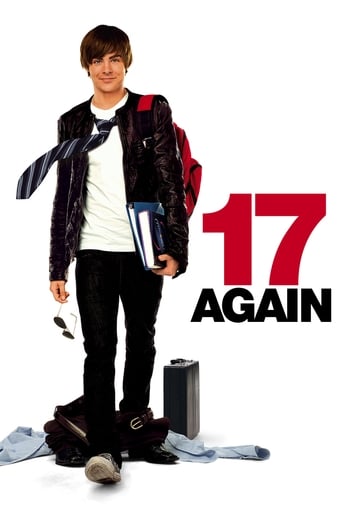
Certain performers recur. Zac Efron appears five times, in the three school musicals, as a father returned to his teenage body in 17 Again and as the young actor in the Mercury Theatre. Cuba Gooding Jr. also has five, from a surgeon to a dentist with sled dogs. Hilary Duff and Alexis Bledel have four each and between them define the decade's teenage heroine.
Among established stars, Meryl Streep sings on a Greek island and cooks in Paris in Julie & Julia, Richard Gere waits at a station and sits out a storm at a beach inn, and Steve Martin presides over twelve children. Reese Witherspoon, Matthew McConaughey and Diane Lane each lead three films. Paul Bettany plays a tennis professional, a college room-mate and a fire-eater who has stepped out of a book. Colin Firth is a father in London, a suitor in Hertfordshire and a weary squire between the wars.
Directors left signatures too. Richard Linklater made the walk through Paris and the backstage comedy of 1937. Chris Weitz went from a London bachelor to an armoured bear. Gary Winick directed the spider's web and the two brides. Christopher Guest, Robert Altman, Sam Mendes, Jason Reitman and Steven Spielberg are each represented by one distinctive film.
A decade of small revolutions
The films of the 2000s were made during a change in how films are shot, sold and seen. At the start of the decade nearly everything was photographed on film and shown from heavy reels; by the end, digital cameras and projectors were common. Computer effects became good enough to fill a kingdom with armoured bears and a barn with talking animals, and cheap enough for a television film.
Home viewing changed just as fast. The DVD brought commentaries, deleted scenes and sharp pictures, and families built shelves of them. Cable boxes added menus, then recorders, then the on-demand button; by 2007 a film could be sent down a broadband line. Many of the comedies and romances on this menu found their largest audience at home, which is one reason they feel so familiar: they were watched on sofas, repeatedly, by people in their pyjamas.
The stories reflect their moment as well. Characters send their first text messages, meet in chat rooms, start blogs about cooking and carry telephones that flip open. A viewer who was young then will smile at the gadgets; a viewer who is young now can treat them as period detail.
Programming an evening
The menu makes it easy to plan. For a family night with younger children, pair a talking-animal film with one of the adventure fantasies. For teenagers, a school musical followed by a modern fairy tale. For adults, a comedy with some bite and then one of the quiet dramas, or the two films about weddings of different sizes.
A themed evening works well too: the two films set in airports, The Terminal and Up in the Air; the two about a president's daughter; a walk through Paris followed by a house exchange between Surrey and Los Angeles. The running time on each poster shows at a glance whether two films will fit before bedtime, and My Queue holds the choices until the evening comes.
Inside a movie page
Every movie page on MoviesOnDemand follows the order of an information screen on a set-top menu. The poster and title appear first with the year. A strip of labels names the genres. The score out of ten is shown with its vote count, beside the running time. The synopsis takes a few lines and keeps the ending to itself. The cast and the director follow, and choosing a name lists that person's other films from the decade. The country selector and the Watch now button sit near the top, where a thumb or a cursor finds them easily, and a closing row offers more from the same line of the menu.
Questions about MoviesOnDemand
Questions
What is MoviesOnDemand?
MoviesOnDemand is a guide to 185 movies released from 2000 to 2009. Each has its cast, a summary, a rating and a Watch now button.
How do I watch a movie?
Open its page, choose your country beside the Watch now button and press it. JustWatch then lists the services that carry the movie in that country.
What is on the menu?
Twelve lines: top rated, comedy, drama, romance, family, sport, music and dance, true stories, Christmas, teen, animals, and costume and period.
Which movies are rated highest?
Hachi: A Dog's Tale, Front of the Class and Something the Lord Made share 8.0. A Beautiful Mind follows at 7.9 and Before Sunset at 7.8.
Is the menu suitable for families?
Every title was screened by hand for a family audience. Seventy-five movies carry the Family label.
How are the years divided?
Fifty-two movies date from 2000 to 2003, sixty-seven from 2004 to 2006 and sixty-six from 2007 to 2009.
Which is the longest movie?
The Majestic runs for 153 minutes. The shortest is Stuart Little 2 at 78 minutes.
Are there Christmas movies?
Yes. Twelve are listed, among them Elf, The Holiday, The Family Stone and Nativity!
What is My Queue?
My Queue is your list of movies to watch. It is kept in the browser on your device, and the list page can save it as a file.
Where does the information come from?
Posters, ratings, casts and production details are supplied by TMDB. The guide on this page and the fifteen help pages are written for MoviesOnDemand.
